Studio Integration Points: Game Developers Coordinate Security Protocols with Mobile Reward Systems and Verified Transaction Methods
Olivia Albrecht · Oct 20, 2026
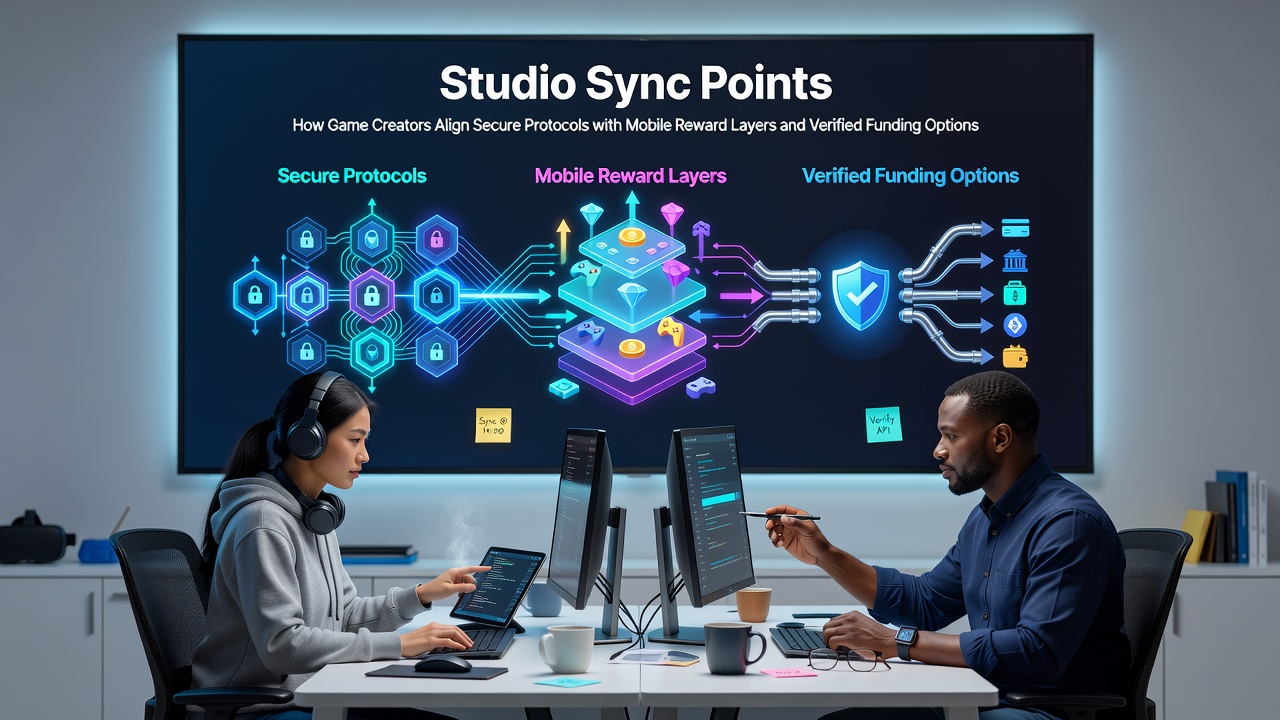
Studio Integration Points: Game Developers Coordinate Security Protocols with Mobile Reward Systems and Verified Transaction Methods
Game studios have developed structured synchronization methods that connect secure protocols directly to mobile reward layers while incorporating verified funding options across platforms, and observers note these integration points have become central to how digital entertainment products operate in October 2026. Developers coordinate encryption standards, authentication layers, and transaction verification tools so that reward systems function without exposing user data or financial details during gameplay sessions.
Protocol Alignment in Development Pipelines
Studios implement synchronization checkpoints at multiple stages of production, and these points allow teams to test how security measures interact with reward accumulation features on mobile devices, while verified funding pathways remain isolated from gameplay mechanics until confirmation occurs. Research from institutions such as the University of Nevada, Las Vegas indicates that coordinated testing reduces integration errors by measurable margins when protocols for data protection align with backend reward engines before launch.
Teams map out data flows between game servers and mobile applications so that reward triggers activate only after security validations complete, and this sequencing prevents unauthorized access while maintaining smooth user experiences across different operating systems. Data from regulatory monitoring in regions like New Jersey shows consistent patterns where such alignments support higher volumes of verified transactions without increased incident reports.
Mobile Reward Layer Mechanics
Reward layers in mobile environments operate through tiered structures that accumulate points or credits based on player activity, and studios connect these layers to secure protocol frameworks that authenticate each action before rewards register in user accounts. Verification occurs via encrypted tokens that pass between the game client and central servers, which ensures that only validated sessions contribute to reward balances.
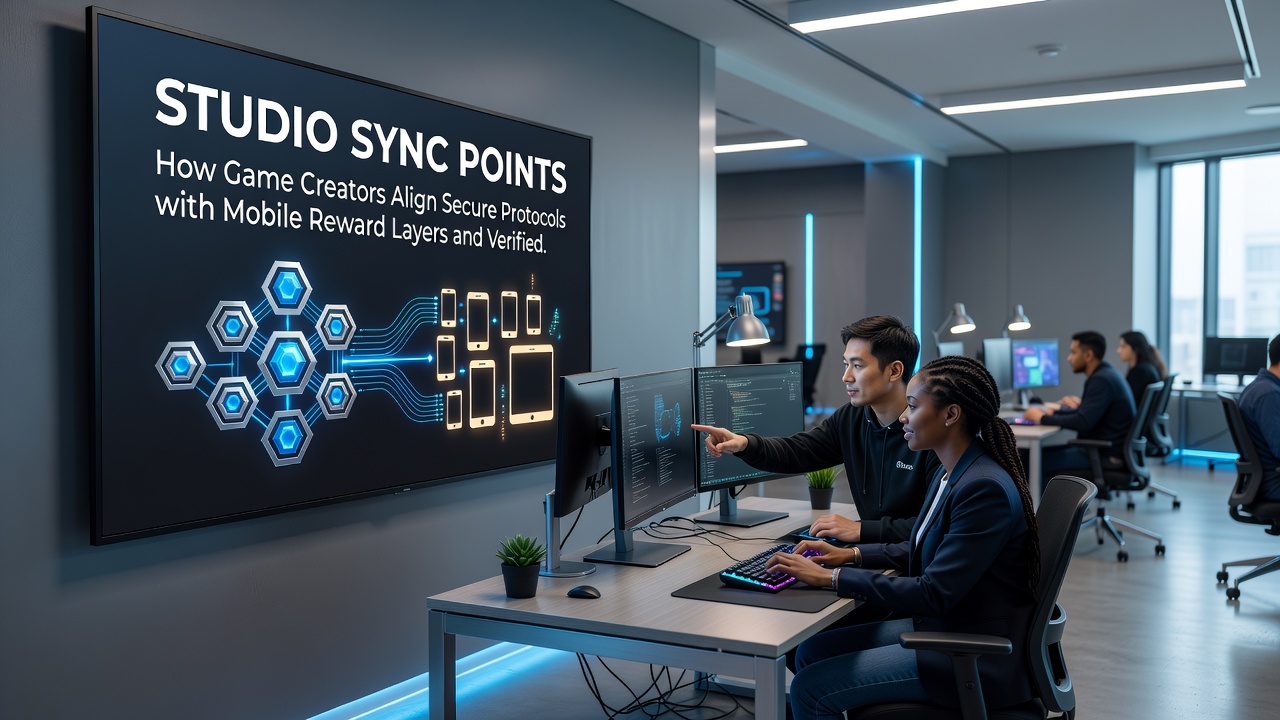
Developers often incorporate supplier APIs that handle both reward distribution and funding verification in parallel streams, yet these remain segmented so that reward calculations do not directly interface with payment processing until separate authentication completes. Figures from industry reports compiled by groups including the Gaming Laboratories International reveal that studios adopting these segmented approaches achieve faster certification cycles for new mobile titles.
Verified Funding Option Integration
Verified funding options rely on partnerships with payment processors that supply real-time confirmation signals back to game studios, and synchronization points ensure these signals trigger reward unlocks only after compliance checks pass through established security channels. This setup allows players to fund accounts through multiple methods while reward layers update based on confirmed activity rather than pending transactions.
Studios test these connections across various network conditions common to mobile users, and the results demonstrate that protocol alignment maintains consistency even when connections fluctuate between Wi-Fi and cellular data. Observers in technical reviews point out that such testing covers edge cases like interrupted sessions, where funding verification must resume without duplicating rewards or exposing sensitive details.
Case Examples from Production Teams
One development group working on cross-platform titles established weekly sync reviews that examined how each new reward feature interacted with existing security protocols, and these reviews led to adjustments in token expiration times that improved both security posture and reward delivery speed. Another studio documented how integration with verified funding providers required mapping API response times to reward calculation intervals, which produced more stable performance during peak usage periods in October 2026.
Teams that document these sync points in shared project repositories enable different departments to reference the same alignment standards, and this practice reduces miscommunication during updates to either security layers or reward mechanics. Evidence from production logs shared in industry forums shows measurable reductions in post-launch patches when initial synchronization covers funding verification alongside reward systems.
Conclusion
Game creators continue to refine synchronization methods that link secure protocols to mobile reward layers and verified funding options, and the structured checkpoints they establish support reliable operation across expanding device ecosystems. Data from multiple regulatory and research sources confirms that these alignments contribute to stable transaction volumes while maintaining security standards, and ongoing development cycles incorporate feedback from live environments to adjust integration points as needed.